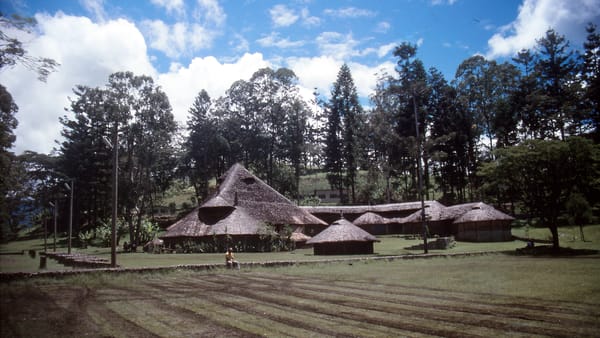

There are places in this world where the circumstances of your birth define everything—your opportunities, your worth, and your fate. These places don’t need physical walls or chains to imprison you. Simply, the act of being born is enough to condemn you to a life sentence. In India, millions of people are born into such a life, trapped by a system that has dictated their future for thousands of years. These people are known as the Untouchables, or as they call themselves, Dalits.
Today, despite India’s modern achievements—its gleaming skyscrapers, booming economy, and global influence—the Dalits remain trapped in abject poverty, exclusion, and violence. They are part of a caste system that, while officially outlawed, continues to govern their lives. In India, there are roughly 200 million Dalits; however, this problem is so ingrained it has followed the Indian diaspora to other countries around the world. Their story isn’t just one of poverty but of a deep-rooted belief that some people are born impure and that nothing they do can ever change that.
The Caste System
To understand the suffering of the Dalits, we need to understand India’s caste system, one of the oldest forms of social hierarchy in the world. It dates back over 3,000 years and divides society into rigid groups based on birth. The Brahmins are at the top of this system—priests and scholars considered pure and closest to the divine. Below them are the Kshatriyas, warriors, rulers, then the Vaishyas, merchants, and artisans.
Key Takeaways
- Dalits in India face a life of poverty, exclusion, and violence due to the caste system.
- Despite legal changes, deeply ingrained beliefs perpetuate the caste system’s oppression.
- Dalits are often identified by their surname, occupation, and segregated living areas.
- Education offers hope but is often inaccessible due to discrimination and dropout rates.
- Systemic violence and lack of justice perpetuate the cycle of oppression for Dalits.
Finally, at the bottom are the Shudras, labourers. But even the Shudras, as low as they are in this hierarchy, have a place.
Dalits, however, don’t. They are outside of this system, considered too impure to even belong to the lowest rung of society. This belief in purity and pollution has governed their fate for millennia. Dalits have been forced into the dirtiest, most degrading jobs, ones considered too filthy for even the Shudras to touch. They clean human waste, dispose of dead animals, and perform other menial tasks that make them, in the eyes of others, permanently unclean.
For thousands of years, this system was justified by religion and tradition. It was seen as divinely ordained, the natural order of things. And while the caste system was formally abolished in 1950 with the adoption of India’s new constitution, the reality on the ground is very different. Today, they might be referred to as ‘scheduled castes or tribes’—but really, we’re talking about the same thing. Laws can change, but altering deeply ingrained beliefs is much more complicated.
Dalits continue to live in the shadow of a system that has treated them as subhuman for thousands of years. In many parts of rural India, caste still dictates every aspect of life—who you can marry, what jobs you can do, who you can talk to, and even where you can live. While the rest of the world moves forward, millions of Dalits remain trapped in a cycle of poverty, discrimination, and violence.
In the eyes of many, if you’re born a Dalit, you’ll die a Dalit. No amount of hard work, intelligence, or ambition will save you from a life of struggle and exclusion. This invisible cage surrounds millions of lives—a cage built not with iron but with rigid beliefs.
Identification
Unlike visible markers of race or ethnicity, caste is an invisible status—yet everyone knows who belongs where. Dalits are identified primarily through their family background and surname, which immediately reveals their place in the caste system. In rural areas, where caste distinctions are most rigid, your last name can determine everything about you.
In many villages, the very location of your home can mark you as a Dalit. Dalits typically live in segregated areas, often on the outskirts of town, physically separated from higher-caste groups. This spatial division makes it clear who belongs to which caste. Dalit neighborhoods are usually the poorest, lacking access to clean water, sanitation, and basic infrastructure. The difference between Dalit settlements and those of higher castes is striking, making identification all the more obvious.
Occupation is another way Dalits are identified. Historically, Dalits were forced into “polluting” jobs, and although the Indian constitution outlawed caste-based discrimination and affirmative action policies were introduced, many Dalits are still trapped in these menial, degrading occupations. Their work becomes a visible marker of their caste.
Caste identification in schools and workplaces can be more subtle but no less pervasive. Teachers and employers may not ask directly about caste, but assumptions are made based on a person’s appearance, surname, or background. In some cases, Dalit children and workers are ostracised or treated differently once their caste is discovered.
Put all this together; the effect is akin to a giant brand on your forehead. In the West, where we are engorged with rags-to-riches tales and entrepreneurial wonder stories, this reality is alien and uncomfortable. You might wonder, why don’t people just move? Start a new life somewhere and never breathe a word about your place in society. And this leads us to an even bigger problem.
This system has been in place for thousands of years, and the hereditary effect on the Dalits has been catastrophic. Most people don’t see any hope of change or a better life. This is what their family has always done, and this is what they expect always to do. The upper castes have held their boot firmly on the Dalit’s neck for as long as anybody can remember. They don’t want the Dalits to develop ambition or dreams and discourage anything that might lead to it.
Life as a Dalit
When a child is born into a Dalit family in a rural village, from the moment they take their first breath, their life is already set in stone. A life that is not shaped by their talents or dreams but by an ancient system that says they are less than human. Firstly, the chances of them making it past infancy are much smaller, with infant mortality rates among Dalit children being 66.4 deaths per 1,000 live births, higher than the national average of 27.695. Life expectancy for Dalits is about five years lower than the national average, largely due to a lack of access to healthcare, clean drinking water, and nutritious food.
This child will likely grow up in a cramped, dirty village, living in a segregated area with other Dalits. More than 64% of Dalit households in rural areas lack access to clean water and basic sanitation. While wealthier castes live in proper homes with brick walls, Dalits often live in slums—shacks made of mud, straw, or tin.
When the child is old enough to attend school, they will likely face immediate discrimination. Even though education is supposed to be a universal right, caste still dictates who is considered worthy of it. Dalit children are often forced to sit at the back of the classroom, and in some cases, they’re not allowed to attend school at all. Even when they do, they might be ostracised by their classmates or treated with disdain by their teachers, many of whom come from higher castes.
In extreme cases, teachers might even refuse to touch them, seeing them as “unclean.”
The consequences of this discrimination are severe. Many Dalit children drop out of school early, with dropout rates for Dalits often exceeding 50% before high school. Literacy rates among Dalits are significantly lower than the national average, with only 66% being literate, compared to the 74% national average. Without education, their chances of lifting themselves out of poverty are slim to non-existent.
By the time this child reaches adulthood, they will likely be condemned to the same kind of work their parents and grandparents did before them. Dalits have historically been forced into jobs that are considered impure or polluting, such as manual scavenging—literally cleaning human excrement by hand. For many Dalits, it’s the only work available. Over 90% of Dalits are part of India’s informal labour sector, meaning they have no job security, no benefits, and no real way to escape poverty.
Even when employed, Dalits face enormous wage disparities. On average, Dalit labourers earn 30-40% less than their upper-caste counterparts.
But this isn’t just about poverty—it’s about exclusion. In some places, Dalits are shut out from almost every aspect of mainstream society. They’re not allowed to enter certain temples, drink from the same wells as upper castes, or even walk on the same roads. In some villages, Dalits are still required to take off their shoes when walking through areas where higher-caste people live, a reminder that they are considered beneath them.
The Unseen Violence
If poverty and exclusion weren’t enough, Dalits also face frequent violence. And this isn’t just random acts of cruelty—it’s systemic violence deeply embedded in the caste system. According to India’s National Crime Records Bureau, a crime is committed against a Dalit every 10 minutes. Dalits are beaten, raped, and murdered for the smallest of infractions—drinking from the wrong well, walking on the wrong road, or falling in love with someone from a higher caste.
There are approximately 50,000 cases of violence against Dalits reported each year. However, many go unreported, and the conviction rate in caste-related crimes remains low, hovering at just 26%, showing widespread impunity for perpetrators.
Watch The Project Briefing
Open Video
Video Briefing
The Untouchables of India: The Millions Without Hope
Every now and again, stories emerge that shock India, leading to plenty of hand ringing and talk of change—without much change actually happening. In 2019, in Kot, a group of upper-caste men beat up a 21-year-old Dalit man at a wedding so badly that he died nine days later. His crime? Simply eating food in their presence. And the worst part, due to the fear of reprisals, not a single one of the hundreds of guests at the wedding would go on record about what had happened.
The Khairlanji massacre in 2006, where four Dalit family members were brutally killed by upper-caste villagers in Maharashtra, exposed deep-rooted caste violence in India. Surekha Bhotmange, a Dalit woman known for asserting her rights, was lynched with her children for intervening in a conflict and testifying against local men. Despite legal proceedings, caste-based motives were downplayed, leading to commuted sentences from the death penalty to 25 years in prison for all of those involved.
But the violence isn’t just physical. There’s also the constant, grinding emotional and psychological violence of living under this oppressive system. Dalits are made to feel inferior every single day in ways that cut far deeper than any physical wound. Imagine growing up in a world where you’re constantly reminded that you are less than others.
Where you can’t touch certain people, enter certain places, or even drink from the same well as your neighbours. If this is all starting to sound a bit like Jim Crow or South African Apartheid, it absolutely is. However, with one significant difference, this has been going on much, much longer and encompassed far more people.
For Dalit women, the situation is even worse. They are doubly oppressed—first by the caste system and then by a patriarchal system that continues to shame India. Dalit women are often targets of sexual violence, assaulted by upper-caste men who know they will face no consequences. Reporting such violence often leads to further harassment or even death threats, as the justice system offers little protection for Dalit women.
In 2022, in Lakhimpur district, two Dalit sisters, aged 15 and 17, were kidnapped from their home, raped, and left hanging from a tree. Now this story did cause a mighty uproar in India, and the following year two men were given life sentences for the crimes, but this was only after some less than well-handled policing in the immediate aftermath in which the police tried to spin the story that the two girls had been in relationships with the men. It wasn’t a good look, and sadly one that Dalits are used to.
The cumulative effect of this violence—physical, emotional, and economic—is devastating. It creates a sense of hopelessness, of being trapped in a world that refuses to see you as fully human. For many Dalits, the idea of a better life is nothing more than a fantasy.
The Illusion of Change
You might be wondering, if the caste system was abolished in 1950, why hasn’t life improved for Dalits? The truth is, while the laws have changed, society hasn’t. In theory, India’s constitution grants Dalits the same rights as everyone else, and affirmative action policies are supposed to help them secure government jobs, university placements, and political representation. But in practice, these laws are often ignored or twisted until they’re barely recognizable.
Dalits can technically run for office, but in many areas, they’re controlled by upper-caste elites who hold the real power behind the scenes. In local elections, especially in rural regions, Dalit candidates are often placed as figureheads, while the higher castes pull the strings. Even in villages where Dalits are elected to positions of power, they are expected to bow to the will of the upper castes or face violence.
India’s soaring economy has also largely left Dalits behind. While upper-caste communities have thrived in industries like technology and finance, Dalits remain trapped in low-wage, menial jobs. Many are still trapped in bonded labour, a form of modern slavery where families are forced to work for generations to pay off debts they can never truly repay. And even when Dalits do manage to secure higher education or government jobs, they often face discrimination in the workplace.
What’s worse, the deep-seated belief in caste purity hasn’t disappeared. Over 50% of rural households still practise untouchability in some form, refusing to share food, water, or social spaces with Dalits. This belief isn’t just about social status—it’s about power. For those at the top, the caste system ensures they stay at the top. For those at the bottom, like the Dalits, any attempt to rise up is met with resistance.
This is why progress has been so agonisingly slow. The caste system isn’t just a set of rules you can tear up—it’s a mindset, one that has been passed down through generations. Changing laws is one thing, but changing hearts and minds is another.
Any Hope?
Is there hope for the Dalits? The answer is complicated. While the situation remains dire for millions, there are signs of hope, especially among the younger generations. Education has become a beacon of possibility for many Dalits. More Dalits are attending universities, becoming lawyers, doctors, and engineers, and using their education to fight back against the system that oppressed them for so long.
People like Bezwada Wilson, born into a Dalit family of manual scavengers, refused to accept his fate. Wilson educated himself and became an activist. Today, he leads a national campaign to abolish manual scavenging and improve the lives of Dalits across India. His work has brought international attention to the horrors Dalits still face and forced the government to take some steps—however small—towards addressing these injustices.
Dalit political activism is also on the rise. Movements like the Dalit Panthers, modelled after the Black Panthers in the United States, have united Dalits and other marginalised communities in fighting for social justice. While these movements face incredible resistance, they are starting to make their voices heard in India and worldwide.
The internet has also become a tool of resistance for many Dalits. Social media platforms have allowed Dalits to share their stories, organise protests, and challenge the narratives that have kept them in the shadows for so long. Dalit activists are using these platforms to build networks and demand justice. This is a new kind of fight—one that relies not on the goodwill of those in power but on the collective strength of the oppressed.
But let’s not get carried away.
Catch-22
For millions of Dalits, life is a relentless cycle of poverty, humiliation, and violence. While incremental changes might happen, the sheer numbers mean that vast amounts of Dalits will experience the same life as their grandparents. The caste system, while outlawed on paper, still governs their every move. They are born into a world that tells them they are less than human; their value is determined not by what they do but by an ancient belief in their inherent impurity.
No matter how hard they work, they remain trapped.
Education, while offering a glimpse of hope for a few, is often just another door slammed in their faces. Discrimination starts early, in classrooms where Dalit children are pushed to the back and treated as untouchable by both their peers and teachers. Their dropout rates remain among the highest in the country, and their futures are stolen before they even have a chance to begin.
And for those who try to rise above their station, the system’s response is brutal. Physical violence, rape, and murder are constant threats, and justice is rare. Most crimes go unpunished, and their suffering is ignored by those in power. This is life for millions—a life without dignity, safety, and hope.
Generations of Dalits have lived and died under this crushing weight. The gleaming modern cities of India might stand tall, but for the Dalits, nothing has really changed. Their struggle is as old as the caste system itself—ancient, pervasive, and inescapable. For them, the future looks disturbingly like the past.
Olivier Guiberteau
Key Takeaways
- Dalits in India face a life of poverty, exclusion, and violence due to the caste system.
- Despite legal changes, deeply ingrained beliefs perpetuate the caste system’s oppression.
- Dalits are often identified by their surname, occupation, and segregated living areas.
- Education offers hope but is often inaccessible due to discrimination and dropout rates.
- Systemic violence and lack of justice perpetuate the cycle of oppression for Dalits.

Simon Whistler
Simon Whistler is one of YouTube's most prolific documentary presenters, known for calm, authoritative deep dives into true crime, disappearances, and the world's most enduring unsolved cases. Into the Shadows is his companion archive for the cases he can't stop thinking about.
Frequently Asked Questions
What are the Untouchables of India known as?
The Untouchables of India are known as Dalits.
How many Dalits are there in India?
There are roughly 200 million Dalits in India.
What is the caste system in India?
The caste system in India is one of the oldest forms of social hierarchy, dividing society into rigid groups based on birth. It dates back over 3,000 years and includes Brahmins, Kshatriyas, Vaishyas, Shudras, and Dalits.
What are some of the jobs Dalits are forced into?
Dalits are often forced into the dirtiest and most degrading jobs, such as cleaning human waste, disposing of dead animals, and performing other menial tasks considered too filthy for even the Shudras.
When was the caste system officially abolished in India?
The caste system was officially abolished in 1950 with the adoption of India’s new constitution.
How are Dalits identified?
Dalits are identified primarily through their family background and surname, which immediately reveals their place in the caste system. In rural areas, the location of their home and their occupation also mark them as Dalits.
What are some of the challenges Dalit children face in school?
Dalit children often face discrimination in school, such as being forced to sit at the back of the classroom, being ostracized by classmates, and being treated with disdain by teachers. Many Dalit children drop out of school early, with dropout rates often exceeding 50% before high school.
What is the literacy rate among Dalits?
The literacy rate among Dalits is significantly lower than the national average, with only 66% being literate, compared to the 74% national average.
What is the frequency of crimes committed against Dalits in India?
According to India’s National Crime Records Bureau, a crime is committed against a Dalit every 10 minutes.
What is the conviction rate in caste-related crimes in India?
The conviction rate in caste-related crimes remains low, hovering at just 26%, showing widespread impunity for perpetrators.
Sources
- Original Into the Shadows video: The Untouchables of India: The Millions Without Hope
- Hero image source by RamdasIndia / openverse, cc0.