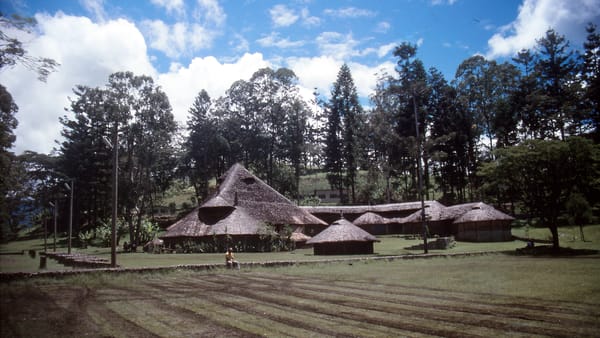
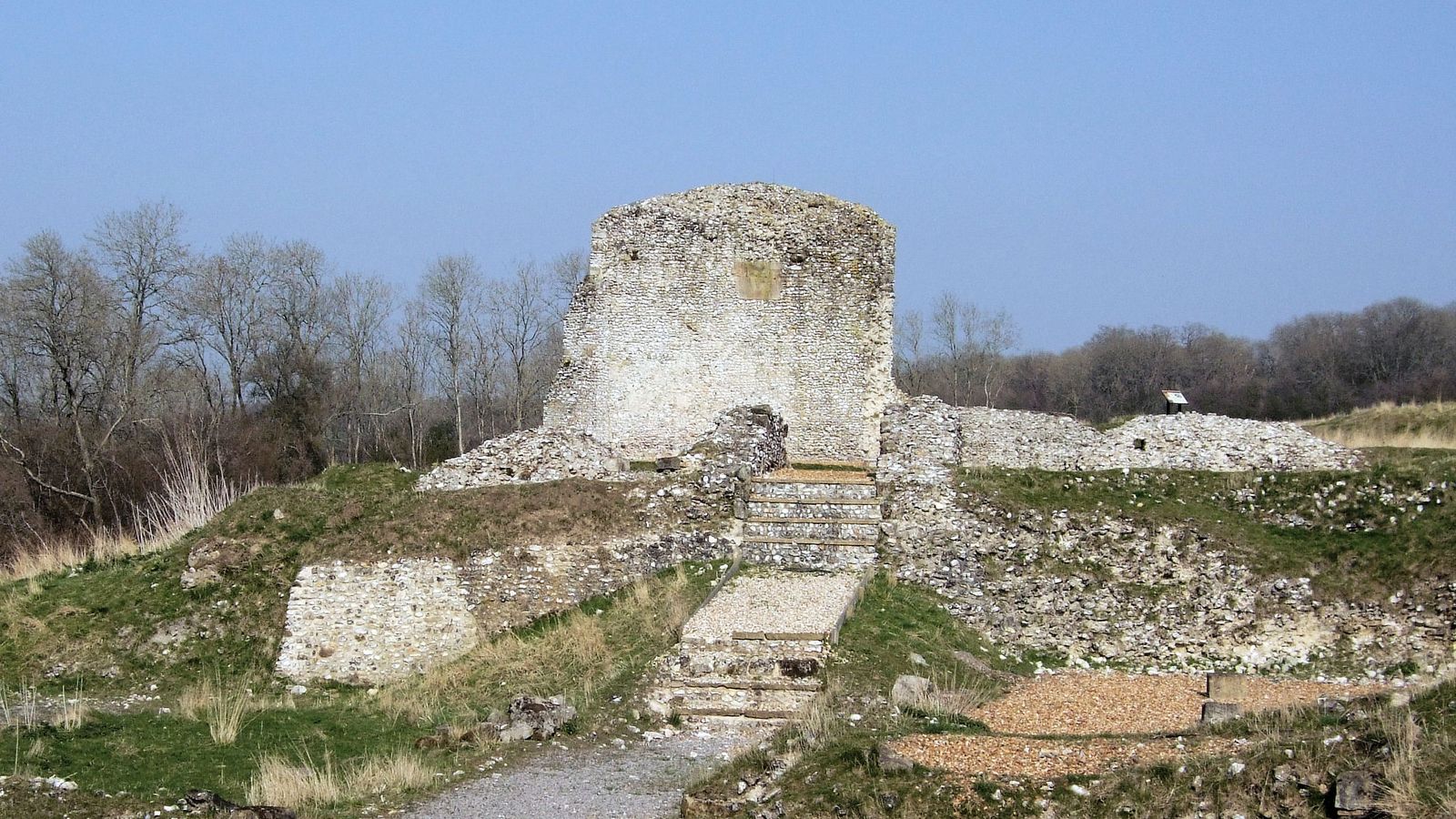
Porton Down is England’s most notorious secret military base. Its laboratory has been the home of biological and chemical warfare experiments, unethical human testing, and more.
Porton Down – England’s Secret Biological and Chemical Warfare Laboratory
By Kevin Jennings
There are numerous secret military bases all over the world. Most of what happens within the walls of these facilities remains highly classified, even after as much as a century. America’s Area 51 and Russia’s Kapustin Yar often spring to people’s minds as some of the most well known locations that are shrouded in mystery and about whom conspiracy theories abound.
Key Takeaways
- Porton Down is England’s oldest active chemical weapons research facility, established in 1916.
- The base conducted unethical human experiments, including mustard gas trials on Indian soldiers in the 1930s.
- Porton Down tested anthrax bombs on Gruinard Island during WWII, making it uninhabitable for decades.
- From 1953 to 1975, Porton Down conducted biological weapons tests on unsuspecting populations in South Dorset.
- The facility’s current activities remain classified, but it is known to manufacture nerve gas and store deadly diseases.
But England is home to another such facility, one that has specialized in biological and chemical warfare for nearly a century. That secret base is Porton Down.
The Beginnings
The secret base is located northeast of the village Porton near Salisbury, in Wiltshire England. It was originally opened in 1916, making it the oldest active chemical weapons research facility in the world. It was originally named the War Department Experiment Station and has undergone nearly a dozen name changes since then, but the name by which it is most well known is simply Porton Down.
In response to the German’s use of chemical weapons in World War I, like chlorine, mustard gas, and phosgene, the original research at Porton Down was to find ways to counteract these weapons. Early efforts focused on things like respirators and other anti-gas measures. After the war drew to a close, the research facility was nearly abandoned, running on a skeleton crew.
However, this was not going to last long. As the government considered the future of chemical warfare and defense, it was determined that the best defense is a good offense. In 1920, it was decided that Porton Down needed to dramatically increase its staff, including by recruiting civilian scientists. By 1922 the skeleton crew had increased to 380 servicemen, 23 scientific and technical civil servants, and 25 civilian scientists. Those numbers would double by 1925.
In 1925 the Geneva Protocol proposed a prohibition on chemical and biological weapons in warfare. Today, 146 nations have ratified the protocol. England even ratified it in 1930, but they did so with reservations.
Fearing that some nation could repeat Germany’s actions from World War I, they reserved the right to use chemical weapons in retaliation against another country that used them first. This gave them justification to further their research and weapons testing at Porton Down, though such reservations weren’t really necessary; the ban on chemical warfare didn’t stop any country from continuing their research, just in case.
The vast majority of what happened at Porton Down is unknown, with information only really beginning to surface after about 70 years. One of the first experiments carried out by the Porton Down scientists was an unethical if not illegal series of human tests known as the Rawalpindi experiments.
The Rawalpindi Experiments
In the early 1930s, scientists from Porton Down traveled to a military base in Rawalpindi, in what is modern day Pakistan. There they would conduct human chemical weapons trials on members of the British Indian Army. While we know that the later experiments at Porton Down relied on people who technically volunteered, even if they were lied to about what they were volunteering for, records from before the late 1940s haven’t been preserved. It’s not unreasonable to assume that the Indian soldiers volunteered for these experiments in much the same way that India volunteered to fall under England’s colonial rule.
The Rawalpindi experiments, which lasted for more than 10 years, involved marching soldiers into gas chambers to be exposed to mustard gas. The effects of mustard gas weren’t exactly a mystery at this point as it was commonly used during World War I. Exposure could cause severe burns and blisters on the skin, respiratory problems, and much more. It was rarely fatal, but recovery could see a soldier in a hospital bed for weeks or months in a constant state of agony.
There were two main purposes of these tests. The first was to try to determine the appropriate dosage of mustard gas to use if they were forced to retaliate using chemical weapons. The second was to see if the Indian people’s skin would be more or less susceptible to burns from the chemical. Obviously the answer was that the effects were the same, but that didn’t stop the scientists from spending over a decade subjecting over 500 Indian soldiers to mustard gas just to be sure.
Although no long term effects of exposure were documented as part of these trials, that’s also because the scientists never followed up on the soldiers. Once they recovered and were released from the hospital, that was the end of that soldier’s involvement in the experiment. We now know that mustard gas is highly carcinogenic, but we’ll never know what specific long term effects the victims of the Rawalpindi experiment suffered.
Gruinard Island
During World War II, the British government wanted to test whether or not a bioweapons attack using anthrax would be viable. They recognized that, if successful, the test would cause severe and long-lasting damage to the area. To avoid endangering citizens, they took control of the remote and uninhabited Gruinard Island from its owner for £500 using compulsory acquisition.
Because the island was completely uninhabited, researchers transported eighty sheep to the island along with their anthrax bomb. The sheep were tethered to a location near the bomb which was affixed to the top of a pole. When the bomb was detonated, a brownish cloud of anthrax spores was released and drifted towards the animals. Within days, all of the sheep had died and their bodies were disposed of in an incinerator.
The conclusion from this experiment was that, if detonated in a German city, an anthrax bomb would cause a severe loss of life and leave the area completely uninhabitable for decades. They knew it would remain uninhabitable because their efforts to decontaminate Gruinard Island were unsuccessful due to the resiliency of the anthrax spores. The island was placed under indefinite quarantine with the only visitors allowed being scientists from Porton Down who would occasionally check the contamination level.
But the previous owner wanted his island back. The government was only supposed to have been borrowing it, and following the end of World War II it was intended to be returned. It was agreed that the island would be returned to either the original owner or his heirs for the original £500 sale price as soon as it was declared “fit for habitation by man and beast.” Despite this agreement, no efforts were made to decontaminate the island as they were considered too expensive and hazardous.
Normally Porton Down was able to conduct its experiments in secret with the general public completely unaware of what was going on, but this time was different. There was a transfer of property involving a private citizen, and an entire island had been quarantined. While it wasn’t common knowledge throughout the entire United Kingdom, those in the Scottish Highlands were aware of what happened and were more than a little disappointed with the government’s failure to decontaminate the island.
Watch The Project Briefing
Open Video
Video Briefing
Porton Down: The Hidden Truth Behind Britain's Most Cryptic Research Facility
In 1981, a Scottish militant group identifying themselves as Dark Harvest Commando began sending messages to newspapers demanding that the government decontaminate the island. They claimed to have sent a team of microbiologists to the island to collect 300 lbs of contaminated soil.
These claims were backed up when a package containing soil contaminated with anthrax was dropped off outside Porton Down. A few days later an identical package was left in Blackpool, a resort town where the Conservative Party, who were in power at the time, were holding their annual conference. This second package contained the same type of soil as was found on the island, though it did not contain anthrax. Dark Harvest Commando threatened to continue to leave contaminated soil at locations that would “ensure the rapid loss of indifference of the government and the equally rapid education of the general public”.
Finally, in 1986, the government enacted its first real plan to decontaminate Gruinard Island. The most contaminated soil was removed, while the entire island was sprayed with 280 tons of formaldehyde diluted with seawater. They then placed some sheep on the island, and after four years of the sheep remaining healthy the island was deemed safe again and sold back to the heirs of the original owner for £500. It took 48 years, threats of domestic terrorism, and a major decontamination effort from the government, but the effects of the single anthrax bomb detonated by the scientists of Porton Down had finally been neutralized.
Continued Experimentation
Having seen the effectiveness of anthrax bombs, scientists at Porton Down decided to continue their biological weapons testing with less deadly alternatives. But since they weren’t using anything as deadly as anthrax, this time they felt justified in using human subjects without their knowledge or consent. From 1953 through 1975, tests were conducted to see how much damage a single ship or aircraft carrying a biological agent could do to a population.
The tests were carried out in Lyme Bay, targeting South Dorset, England. Initial tests were conducted using zinc cadmium sulfide as a surrogate for an actual biological agent. It was chosen because its florescent properties made it easy to track how far it had traveled and because it wasn’t an actual disease. However, repeated exposure to the compound can have harmful effects on humans.
Once again, the tests were a rousing success for Porton Down. They showed that a single aircraft flying along the coast could contaminate an area of over 10,000 square miles, with areas over 100 miles from where the plane sprayed becoming contaminated. While these results were promising, they were only spraying a chemical compound. In the early 1960s, they switched to using live bacteria to see if the results would be any different.
Though less deadly than anthrax, the bacteria they used for the tests, such as E. coli, still could have harmful effects. It wasn’t until decades later that the public became aware of these weapons trials. Despite demands from the areas that had been affected, the government refused to hold a public inquiry into the experiments.
Porton Down didn’t shy away from testing on unsuspecting populations, and it is also known that scientists spent 15 months in Obanaghoro, Nigeria testing experimental nerve gases. Very few details are known about these experiments, including how the Nigerians that were tested on were affected. However, it is likely that these experiments were to test the effectiveness of their newly developed VX nerve gas. VX is the most potent and deadly nerve agent ever developed, and it is so dangerous that it was even a major plot device in a Michael Bay movie.
But to get to the point of developing VX, they were going to need to test and better understand existing nerve agents, most notably sarin. This was going to require extensive human testing, so they turned to their own servicemen for volunteers. Of course, few people would willingly volunteer to subject themselves to being dosed with nerve toxins in exchange for a meager financial reward, so they lied. Rather than stating their intended goal, volunteers were told that the scientists were experimenting with cures for the common cold.
Thousands of volunteers, believing they were taking part in a largely harmless study, were subjected to sarin. Most people were absolutely traumatized by the experience, suffering severe PTSD, though peculiarly there were actually some repeat volunteers. These tests also resulted in the only known death at the hands of the Porton Down scientists.
Leading Aircraftman Ronald Maddison volunteered for the experiments after being offered 15 shillings and three days of leave. He had hoped to use the money to buy an engagement ring for his girlfriend, but he never got the chance. The first serious reaction to the sarin had occurred little more than a month earlier when a volunteer fell into a coma after being exposed to 300 mg of sarin. The scientists were ordered to dramatically reduce the dosage used, but the scientists felt that they knew better.
Maddison was exposed to 200 mg, applied to his uniform. While the dose had been lowered from the previous experiment, it was still significantly higher than they were supposed to be using to test with. Within 20 minutes of the application of the sarin to his clothing, Maddison began to complain that he didn’t feel well. The contaminated clothing was removed and he was taken out of the gas chamber to a bench.
An ambulance was immediately called, but before it could arrive he was convulsing and gasping for breath. Despite the medical staff’s best efforts, Maddison died just 43 minutes after his exposure to the nerve agent.
An internal inquiry ruled that Maddison died because of a “personal idiosyncrasy”, essentially claiming that he was unusually sensitive to the poison and that the dose should not have been lethal. Because of this idiosyncrasy, many of his organs were harvested without the knowledge or consent of his family to be used for continued testing.
From 1949 through 1989, as many as 20,000 people were used for experimentation without informed consent, and often times without consent at all. This total also does not include those that were tested on in Rawalpindi, Nigeria, or Dorset as well as any others experimented on before 1949.
But not all of the human experiments were quite as nefarious as mustard gas and sarin. Some soldiers were instead given psychotropic drugs. These experiments used a combination of volunteers and those that were unknowingly dosed, though it is unlikely the volunteers knew what they were actually signing up for.
Though still unethical if not outright illegal, these experiments weren’t quite as dangerous as the others. The military wanted to know whether or not psychotropic drugs could be weaponized in combat situations. Subjects were given doses of either LSD or liquid THC, and it was then seen if they could perform tasks like operating a vehicle. They could not, but the idea of trying to use these drugs as weapons was quickly abandoned.
Despite not carrying the same level of risk as the other experiments, these still resulted in numerous cases of PTSD from those who were given LSD without their knowledge.
Wrap Up
Although the kindest thing we’ve been able to say about Porton Down thus far is that they unknowingly dosed people with psychotropic drugs, their existence remains a bit of a mixed bag. Porton Down is the UK’s leading facility for researching vaccines. Their labs have also been used to identify viruses and toxins in worldwide outbreaks, such as the initial Ebola outbreak in Africa in the 1970s. There is certainly some work being done there to benefit the greater good, but it can’t erase the atrocities that they have performed either, especially as the full extent of what was done in pursuit of their secret research is unknown.
Much of what is known is a result of Operation Antler, a 1999 police investigation into the human experiments conducted by Porton Down through 1989. Though the Crown Prosecution Service chose not to proceed with any criminal prosecutions, not even in the case of the unlawful death of Ronald Maddison, Operation Antler still helped illuminate quite a bit of Porton Down’s past.
But what about their present? The fact is we simply don’t know. Even though the site is now shared with some private and commercial scientific ventures, Porton Down remains a secret military facility. A secret military facility that still manufactures nerve gas and has samples of all the world’s deadliest diseases, including the plague.
With regards to their current research, we’d like to hope that they’ve at least learned their lesson about unlawful human experimentation, but there’s no way to know for sure because that information is classified.
Key Takeaways
- Porton Down is England’s oldest active chemical weapons research facility, established in 1916.
- The base conducted unethical human experiments, including mustard gas trials on Indian soldiers in the 1930s.
- Porton Down tested anthrax bombs on Gruinard Island during WWII, making it uninhabitable for decades.
- From 1953 to 1975, Porton Down conducted biological weapons tests on unsuspecting populations in South Dorset.
- The facility’s current activities remain classified, but it is known to manufacture nerve gas and store deadly diseases.

Simon Whistler
Simon Whistler is one of YouTube's most prolific documentary presenters, known for calm, authoritative deep dives into true crime, disappearances, and the world's most enduring unsolved cases. Into the Shadows is his companion archive for the cases he can't stop thinking about.
Frequently Asked Questions
What is Porton Down?
Porton Down is England’s most notorious secret military base, known for its laboratory that has been the home of biological and chemical warfare experiments, unethical human testing, and more.
When was Porton Down established?
Porton Down was originally opened in 1916, making it the oldest active chemical weapons research facility in the world.
What was the initial purpose of Porton Down?
The original research at Porton Down was to find ways to counteract chemical weapons used by Germany in World War I, such as chlorine, mustard gas, and phosgene.
What were the Rawalpindi experiments?
The Rawalpindi experiments were a series of unethical human tests conducted in the early 1930s where British Indian Army members were exposed to mustard gas to determine appropriate dosages and skin susceptibility.
What happened on Gruinard Island?
During World War II, Gruinard Island was used to test an anthrax bomb, which resulted in the deaths of all sheep exposed and left the island uninhabitable for decades.
What were the biological weapons tests in Lyme Bay?
From 1953 through 1975, Porton Down conducted tests in Lyme Bay using zinc cadmium sulfide and live bacteria to see how much damage a single ship or aircraft carrying a biological agent could do to a population.
What was the outcome of the sarin experiments at Porton Down?
The sarin experiments resulted in the death of Leading Aircraftman Ronald Maddison, who was exposed to 200 mg of sarin. An internal inquiry ruled his death as due to a ‘personal idiosyncrasy’.
What is the current status of Porton Down?
Porton Down remains a secret military facility that still manufactures nerve gas and has samples of all the world’s deadliest diseases, including the plague. The details of its current research are classified.
What was Operation Antler?
Operation Antler was a 1999 police investigation into the human experiments conducted by Porton Down through 1989. It helped illuminate much of Porton Down’s past, but no criminal prosecutions were pursued.
Sources
- Original Into the Shadows video: Porton Down: The Hidden Truth Behind Britain’s Most Cryptic Research Facility
- Hero image source by Jim Linwood / openverse, by.