Imagine a world where medical breakthroughs are achieved not in sterile, high-tech labs but on the bodies of the most vulnerable—people who are not volunteers, not patients, but test subjects. Sounds like a dystopian vision of a world gone completely wrong? But this is much closer than many of us think.
Africa, a continent rich in culture, history, and resources, has long been viewed by outsiders as a land of opportunity. But for centuries, this opportunity has often come with horrendous exploitation, from the brutal era of colonialism to the present day. One of the most insidious forms of this exploitation is medical colonisation—the use of African bodies for medical research, often without full consent, ethical oversight, or regard for human life.
Some of the world’s most significant medical breakthroughs—from vaccines to life-saving drugs—owe their existence to trials conducted in Africa. But these advances came at a cost, a cost that is rarely discussed. Whether colonial-era experiments that dehumanised entire populations or modern pharmaceutical companies conducting trials with questionable ethics, Africa has too often been the testing ground for the Western world’s medical ambitions.
Key Takeaways
- Africa has historically been exploited for medical research, often without consent or ethical oversight.
- Colonial-era experiments and modern pharmaceutical trials have dehumanized Africans for Western medical advancements.
- The Tuskegee Syphilis Study and Pfizer’s Trovan trial in Nigeria exemplify unethical medical research on vulnerable populations.
- Despite ethical standards, modern trials in Africa often lack transparency and informed consent.
- African populations often do not benefit from the medical breakthroughs they help achieve.
Medical Experimentation
Let’s begin in the darkly corporate time of the colonial era when European powers didn’t just take Africa’s land and resources but saw the continent as a living laboratory for financial and social gain. For the colonisers, Africa wasn’t just a place of untapped wealth; it was a place where they could experiment, often on human subjects, with little regard for ethics or consent. The people of Africa were not seen as individuals with rights but as tools for discovery—disposable, expendable.
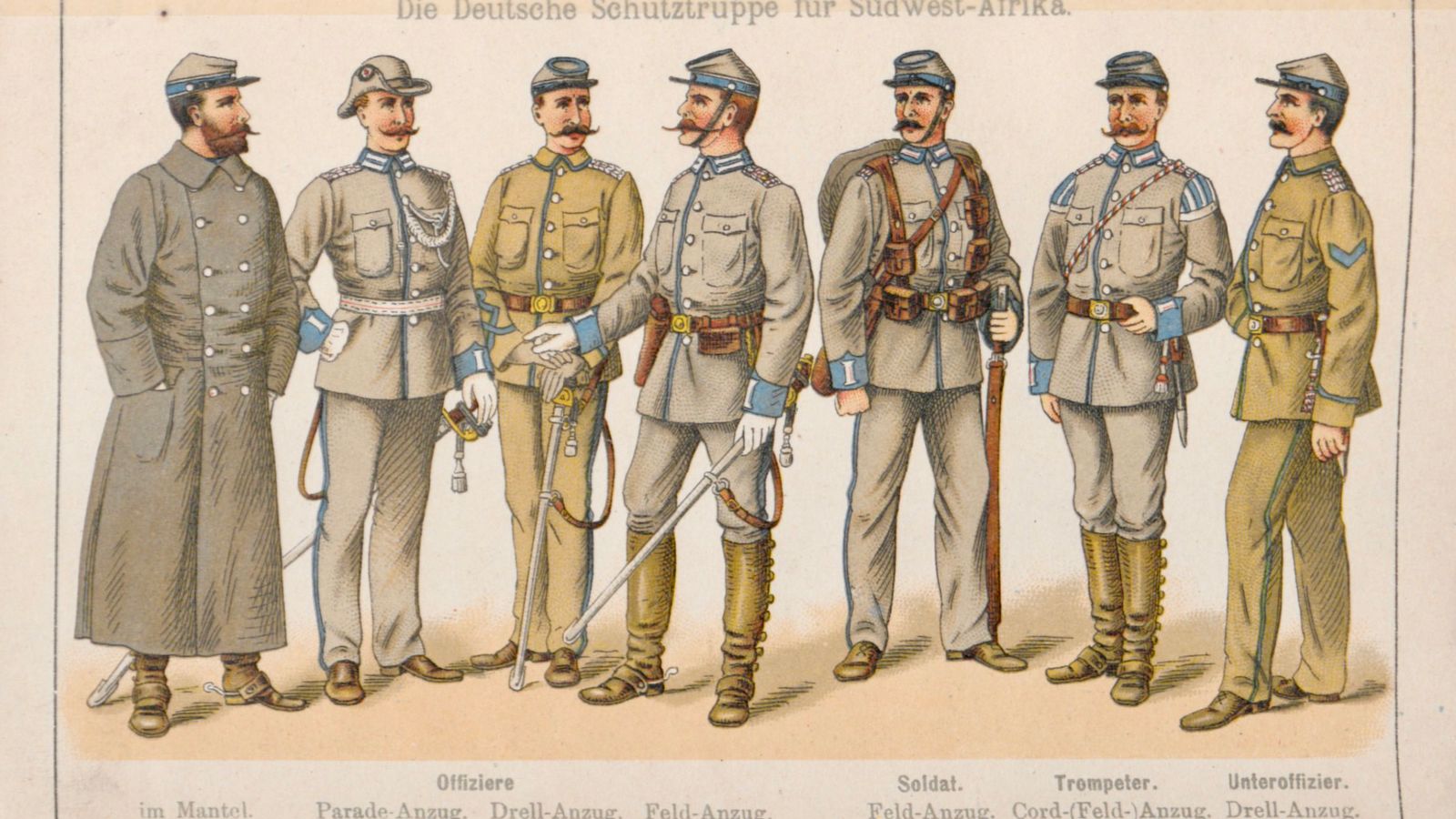
One of the earliest and most horrifying examples comes from German South West Africa, what is now Namibia. Between 1904 and 1908, the Germans carried out one of the first genocides of the 20th century against the Herero and Nama people. Tens of thousands were killed, many of them driven into the desert to die of thirst and starvation. But the horror didn’t stop there.
Those who survived were rounded up and sent to concentration camps, where they were subjected to brutal medical experiments by doctors like Eugen Fischer.
Fischer, shock horror, went on to become a major figure in Nazi racial science, and his work in Namibia laid the foundation for much of his later research. In these camps, Fischer and his colleagues conducted experiments on the Herero and Nama survivors, studying their skulls and bodies to develop theories about racial superiority. These so-called “scientific” studies were nothing more than a grotesque exercise in dehumanisation, with Africans reduced to mere objects in the pursuit of twisted racial theories.
Fischer’s work inspired the racial policies of Nazi Germany, including the experiments conducted in concentration camps during the Holocaust. The medical atrocities that happened in Africa were not isolated—they were part of a continuum of brutality that spanned continents and decades.
But Germany wasn’t alone in using Africa as a testing ground. In British East Africa—what we now know as Kenya, Uganda, and Tanzania—the British were desperate to control the spread of sleeping sickness, a parasitic disease that was wreaking havoc on both Africans and European settlers. The solution? Forced medical experimentation, but only for the Africans—obviously.
Thousands of African villagers were rounded up and placed in what the British called sleeping sickness camps. These weren’t medical facilities—they were more like prisons, where Africans were subjected to experimental treatments. Many were injected with dangerous chemicals or forced to endure invasive procedures, often without any understanding of what was happening to them. Consent was never part of the equation.
For the British, this was a practical solution to a deadly problem. For the Africans, it was yet another form of colonisation—this time, not of their land, but of their bodies. The camps were rife with abuse, and many died not from the disease itself but from the treatments they were forced to endure.
This pattern of using Africa as a medical testing ground continued throughout the colonial period, with European powers treating African lives as disposable in their pursuit of scientific knowledge. These experiments laid the groundwork for a legacy of exploitation that would continue long after the colonial flags were taken down. The medical research conducted in colonial Africa wasn’t just unethical—it was a violation of the very humanity of the people involved.
Pfizer
The exploitation of vulnerable populations in the name of medical research isn’t limited to Africa. One of the most infamous examples happened in the United States with the Tuskegee Syphilis Study. Beginning in 1932, the U.S. Public Health Service conducted a study on a group of African American men in Tuskegee, Alabama, to observe the natural progression of syphilis.
These men were never told they had syphilis, nor were they treated for it—even after penicillin became the standard cure in the 1940s. Instead, they were left to suffer, their disease untreated, while doctors documented the ravages of the illness on their bodies.
The Tuskegee study lasted for 40 years. Forty years of deception, of men dying slow, painful deaths, of wives being infected, of children born with congenital syphilis—all because these men were seen as nothing more than research subjects.
The same mentality that led to the horrors of Tuskegee was eventually exported to Africa, where medical research on vulnerable populations continued, often with even fewer safeguards.
One of the most infamous cases came in 1996 in Kano, Nigeria, where the pharmaceutical giant Pfizer—now that name sounds a little familiar—conducted a drug trial during a meningitis outbreak. The epidemic had already claimed the lives of thousands of children, and in the chaos of the crisis, Pfizer saw an opportunity. They decided to test an experimental antibiotic called Trovan on nearly 200 children, many of whom were already gravely ill.
The major grotesque elephant-sized problem in the room here is that informed consent was either non-existent or woefully inadequate. Parents weren’t fully informed about the risks involved in the trial, and many later claimed that they had no idea their children were part of an experimental study. For some of these children, the consequences were fatal. Eleven died, while others were left disabled, suffering from blindness, paralysis, and brain damage.
Pfizer’s defence was that they were providing potentially life-saving treatment in the midst of a humanitarian crisis, but the truth is much murkier. Years later, after lawsuits were filed by the Nigerian government and the families of the victims, it became clear that ethical standards had been ignored in the rush to gather data on this new drug. Pfizer eventually settled the lawsuits, but the damage was done. The trust between Western pharmaceutical companies and African populations, already fragile, had been shattered.
This wasn’t an isolated incident. The echoes of Tuskegee reverberated around the African continent, where the combination of poverty, weak healthcare systems, and limited legal protections created fertile ground for exploitation. Pharmaceutical companies often saw Africa as a place where they could conduct clinical trials quickly and cheaply, often without the same level of oversight required in Western countries.
The AIDS Epidemic
The HIV/AIDS epidemic hit Africa harder than anywhere else in the world. By the late 1980s, millions of people across the continent were infected, and entire communities were being devastated. For pharmaceutical companies and global health organizations, Africa became a crucial battleground in the fight against the virus—but it also became a prime location for drug trials. The line between life-saving research and exploitation grew ever blurrier.
One of the key developments in the fight against HIV was the use of antiretroviral drugs, which revolutionised the treatment of the virus. But the road to those breakthroughs was paved with ethically questionable decisions—to say the least—especially when it came to testing those drugs in Africa.
Take the case of the Nevirapine trials in Uganda in 1997. Nevirapine was an antiretroviral drug being tested to prevent mother-to-child transmission of HIV. It seemed like a potential game-changer—a single dose of Nevirapine during labour could reduce the risk of transmission by nearly 50%. But the trials, which involved hundreds of HIV-positive pregnant women, were riddled with ethical holes.
Many women participating in the trial were not informed of the risks involved. They were desperate for any treatment that might help their unborn children, and in that desperation, consent became not so much consent as blind desperation. When complications arose—such as severe side effects from the drug, including life-threatening liver damage—there was little accountability. These women, already living in precarious situations, were left to suffer the consequences of an experiment that wasn’t entirely transparent.
The Nevirapine trials eventually led to the approval of the drug, which has since saved countless lives. However, the way in which those trials were conducted left a stain on the medical research community. The question remains: Was it worth it? Was the suffering of a few hundred women justified in the pursuit of a treatment that has now saved millions? For many, trying to answer that question is about as difficult as it gets.
Watch The Project Briefing
Open Video
Video Briefing
Medical Colonisation - The Dreadful Role Africa Plays in Medical Research
HPV Vaccine Trials
Today, medical research in Africa continues, but it looks a little different than it did in the dark days of colonialism. Ethical standards have been developed, institutional review boards are supposed to ensure informed consent, and there’s a general recognition that human beings—regardless of where they are—deserve to be treated with dignity and respect. But even with all these safeguards in place, Africa remains a focal point for global medical research, and the line between ethical experimentation and exploitation often disappears.
The HPV vaccine trials in Kenya in 2015 were one such instance. The vaccine was designed to prevent human papillomavirus, a virus that causes cervical cancer—a major health concern in many parts of Africa where access to early screening is limited. The trials were hailed as a major step toward preventing a deadly disease, and for many, they were. But controversy erupted when local religious leaders, including members of the Kenya Catholic Doctors Association, raised concerns that the vaccine could potentially cause infertility in women.
While there was no scientific evidence to back up these claims, the concerns spread, feeding into larger fears about Western pharmaceutical companies conducting trials on African populations without full transparency. The situation escalated when it was revealed that there was poor communication between the researchers and the local population. Many of the women involved in the trials didn’t fully understand the nature of the research, leading to confusion and suspicion.
Even though the HPV vaccine has been proven to be safe and effective, the manner in which the trials were conducted left a lingering question: Why are so many medical trials conducted in Africa without the same level of informed consent or transparency that would be required in Europe or North America?
Part of the answer lies in the gaps in healthcare infrastructure. In many African countries, the healthcare systems are so underfunded and overburdened that clinical trials offer some of the only access to potentially life-saving treatments. Pharmaceutical companies know this. They know that in countries where poverty and disease are rampant, people are more likely to participate in trials, even if they don’t fully understand the risks.
While these trials often result in treatments that save lives, they also carry significant risks that are not always clearly communicated to the people taking them on.
This tension between progress and exploitation is at the heart of modern medical research in Africa. On the one hand, research is desperately needed to address the continent’s unique health challenges, from malaria to Ebola to HIV. But on the other hand, the very factors that make Africa such an important site for research—poverty, disease burden, and weak healthcare systems—also make it vulnerable to exploitation.
The Bigger Problem
The issue isn’t just the trials themselves. It’s what happens afterward. Too often, the benefits of these trials—the new vaccines, the cutting-edge treatments—don’t make their way back to the people who were part of the research. Instead, they are shipped off to wealthier countries, leaving African populations to continue suffering from the very diseases that their participation helped combat.
And here is where things get really bad for the African continent. You see, medical experimentation is just the tip of the iceberg. Global pharmaceutical companies often prioritise markets in wealthier countries where they can charge higher prices, leaving African countries out of next-generation drug distribution plans. Although Africa hosts a significant amount of clinical trial activity, the outcomes of those trials often benefit patients in other parts of the world.
Research from the University of Oxford found that although Africa participated heavily in global clinical trials, less than 20% of the drugs tested were ever introduced to African markets. COVID-19 was a perfect example of this. Africa experienced considerable delays in accessing COVID-19 vaccines, even though many trials were conducted in African countries. Despite the African Union’s Africa CDC pushing for greater vaccine equity, wealthier nations stockpiled vaccines, leaving African countries to rely on donations and COVAX—a slower and more unpredictable route to vaccine access.
A report from Amnesty International in 2021 revealed that only about 2% of Africans had been fully vaccinated against COVID-19 by the end of that year, compared to over 60% in high-income countries. Many African countries had to wait months after vaccines were rolled out in Western nations, even though some of those vaccines had been tested on African populations first.
Africa lags well behind in accessing critical new drugs, particularly for conditions like cancer, HIV, and non-communicable diseases. According to the WHO, many life-saving treatments are unavailable or prohibitively expensive in African nations. Although Africa bears 24% of the global disease burden, it only accounts for less than 1% of global health expenditure.
Patent laws are another scoundrel hindering Africa’s progress. These laws protect pharmaceutical companies’ intellectual property, but they prevent generic, affordable versions of drugs from being made or sold in African countries, leading to inflated prices.
A report by Médecins Sans Frontières noted that only 2% of the world’s innovative drugs reach Sub-Saharan Africa due to restrictive patent protections. Moreover, drugs for chronic conditions like cancer can cost several times more in Africa than in Europe or North America because of monopolies granted by patents.
Now, if you’re a card-carrying, flag-waving supporter of the free market economy, you’re probably thinking that companies like Pfizer, Johnson & Johnson, and Eli Lilly deserve to be fairly compensated for the years of research and hundreds of millions of dollars they spend to develop these drugs—which is probably fair.
However, these companies are making extraordinary amounts of money each year. Eli Lilly, the world’s big daddy pharmaceutical company, is on course to hit $46 billion in revenue this year, so you can’t tell me these companies aren’t being fairly compensated. It’s greed, pure and simple. They sell expensive drugs in the West and limit supplies to Africa because that would eat into the bottom line.
Even when drugs do arrive in Africa, they’re faced with a mountain of problems. Poor healthcare infrastructure and lengthy regulatory approval processes in many African countries contribute to drug availability delays. African governments and regulatory bodies may take years to approve a drug that has already been approved elsewhere, leaving patients without timely access to vital medications.
A 2019 Lancet study highlighted that drugs take an average of 4-7 years longer to become available in many African nations than in high-income countries. Regulatory inefficiencies, lack of skilled personnel, and limited collaboration between African governments and pharmaceutical companies exacerbate this problem.
A Dark Agreement
This system continues to keep Africa sicker and poorer than other parts of the world—it persists mainly because it benefits wealthier nations. It’s easy to turn a blind eye when the suffering is out of sight and happening thousands of miles away, but the truth is the West is heavily complicit in this dark agreement. Western governments, pharmaceutical companies, and even everyday citizens benefit from this setup.
We often hear about the remarkable advances in medical research that save lives. But we rarely hear about the cost—about the African men, women, and children who participate in these clinical trials, sometimes without fully understanding the risks and without the promise of treatment if something goes wrong. They bear the brunt of the dangers while Western populations enjoy the benefits. And in many cases, the trials are conducted with minimal oversight, taking advantage of weak regulatory frameworks that would never be tolerated in wealthier nations.
This isn’t just a case of unequal access to healthcare—it’s a continuation of a colonial mindset, where African resources, in this case, human bodies, are exploited for the benefit of the West. It’s a system that allows pharmaceutical companies to profit off the backs of some of the world’s most vulnerable populations while giving absolutely nothing in return.
The tragedy is that many people in the West are unaware of this dynamic, and those who are aware often choose not to care. There’s a collective shrug, a tacit acceptance that this is just how things are.
This dark agreement, this stain that we conveniently hide beneath the sofa and choose not to address, is harming millions across Africa. The cost of our longer and healthier lives in the West doesn’t come free. And it doesn’t come without plenty of spilled blood.
Olivier Guiberteau
Key Takeaways
- Africa has historically been exploited for medical research, often without consent or ethical oversight.
- Colonial-era experiments and modern pharmaceutical trials have dehumanized Africans for Western medical advancements.
- The Tuskegee Syphilis Study and Pfizer’s Trovan trial in Nigeria exemplify unethical medical research on vulnerable populations.
- Despite ethical standards, modern trials in Africa often lack transparency and informed consent.
- African populations often do not benefit from the medical breakthroughs they help achieve.

Simon Whistler
Simon Whistler is one of YouTube's most prolific documentary presenters, known for calm, authoritative deep dives into true crime, disappearances, and the world's most enduring unsolved cases. Into the Shadows is his companion archive for the cases he can't stop thinking about.
Frequently Asked Questions
What is medical colonisation?
Medical colonisation refers to the use of African bodies for medical research, often without full consent, ethical oversight, or regard for human life.
What are some historical examples of medical experimentation in Africa?
Historical examples include German experiments on the Herero and Nama people in Namibia and British forced medical experimentation in British East Africa to control sleeping sickness.
What was the Tuskegee Syphilis Study and how does it relate to Africa?
The Tuskegee Syphilis Study involved the U.S. Public Health Service observing the natural progression of syphilis in African American men without treating them. This mentality was later exported to Africa, where similar exploitation occurred.
What happened during the Pfizer drug trial in Kano, Nigeria?
In 1996, Pfizer conducted a drug trial on nearly 200 children during a meningitis outbreak, often without proper informed consent. Eleven children died, and others were left disabled.
What were the ethical issues with the Nevirapine trials in Uganda?
The Nevirapine trials involved testing an antiretroviral drug to prevent mother-to-child transmission of HIV. Many women were not fully informed of the risks, and complications arose without adequate accountability.
What controversies surrounded the HPV vaccine trials in Kenya?
Local religious leaders raised concerns about potential infertility from the HPV vaccine. There was poor communication between researchers and the local population, leading to confusion and suspicion.
Why do pharmaceutical companies often prioritize wealthier countries over Africa?
Pharmaceutical companies prioritize wealthier countries because they can charge higher prices and benefit from stronger healthcare infrastructure and regulatory environments.
How do patent laws affect drug availability in Africa?
Patent laws protect pharmaceutical companies’ intellectual property but prevent affordable generic versions of drugs from being made or sold in African countries, leading to inflated prices.
What are the delays in drug availability in Africa compared to high-income countries?
Drugs take an average of 4-7 years longer to become available in many African nations than in high-income countries due to regulatory inefficiencies and lack of collaboration.
How does the West benefit from medical research conducted in Africa?
The West benefits from medical research in Africa by gaining access to new vaccines and treatments while African populations often do not receive the same benefits and continue to suffer from the diseases studied.
Sources
- Original Into the Shadows video: Medical Colonisation - The Dreadful Role Africa Plays in Medical Research
- Hero image source by Verlag von Moritz Ruhl (German publishing company c. 1855–1942). Uncredited illustrator. No known copyright retrictions. Public domain. / openverse, by-sa.